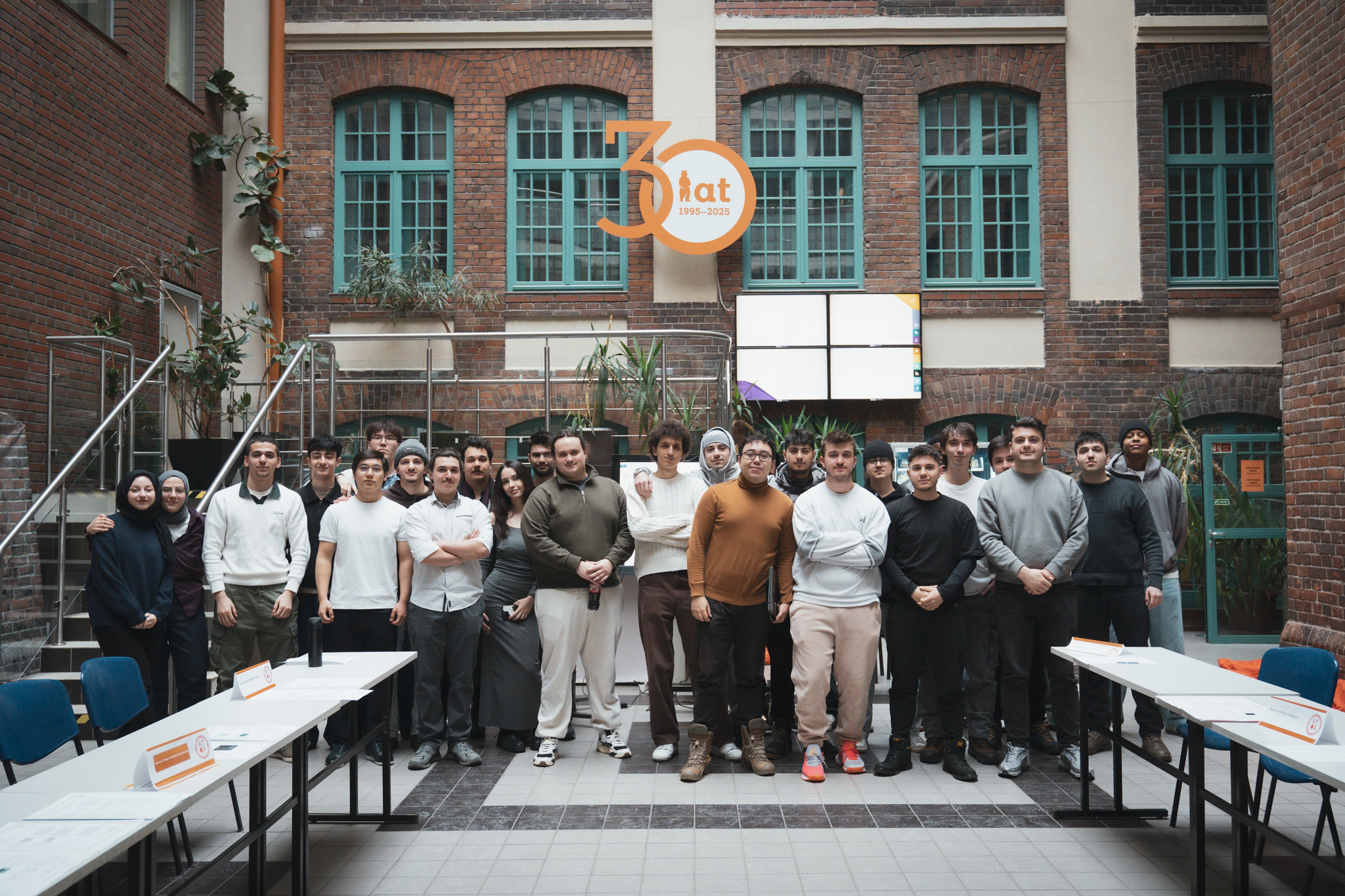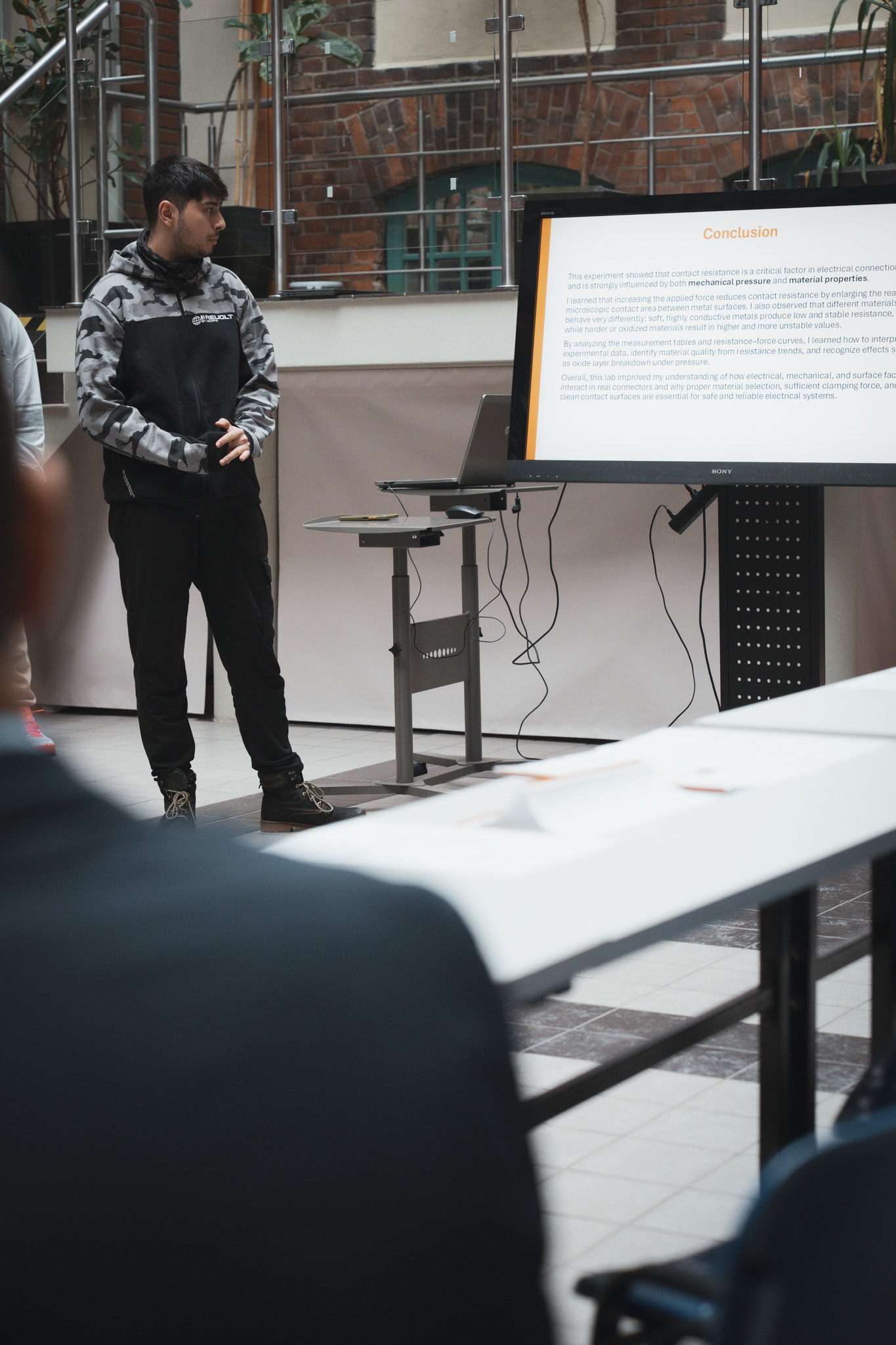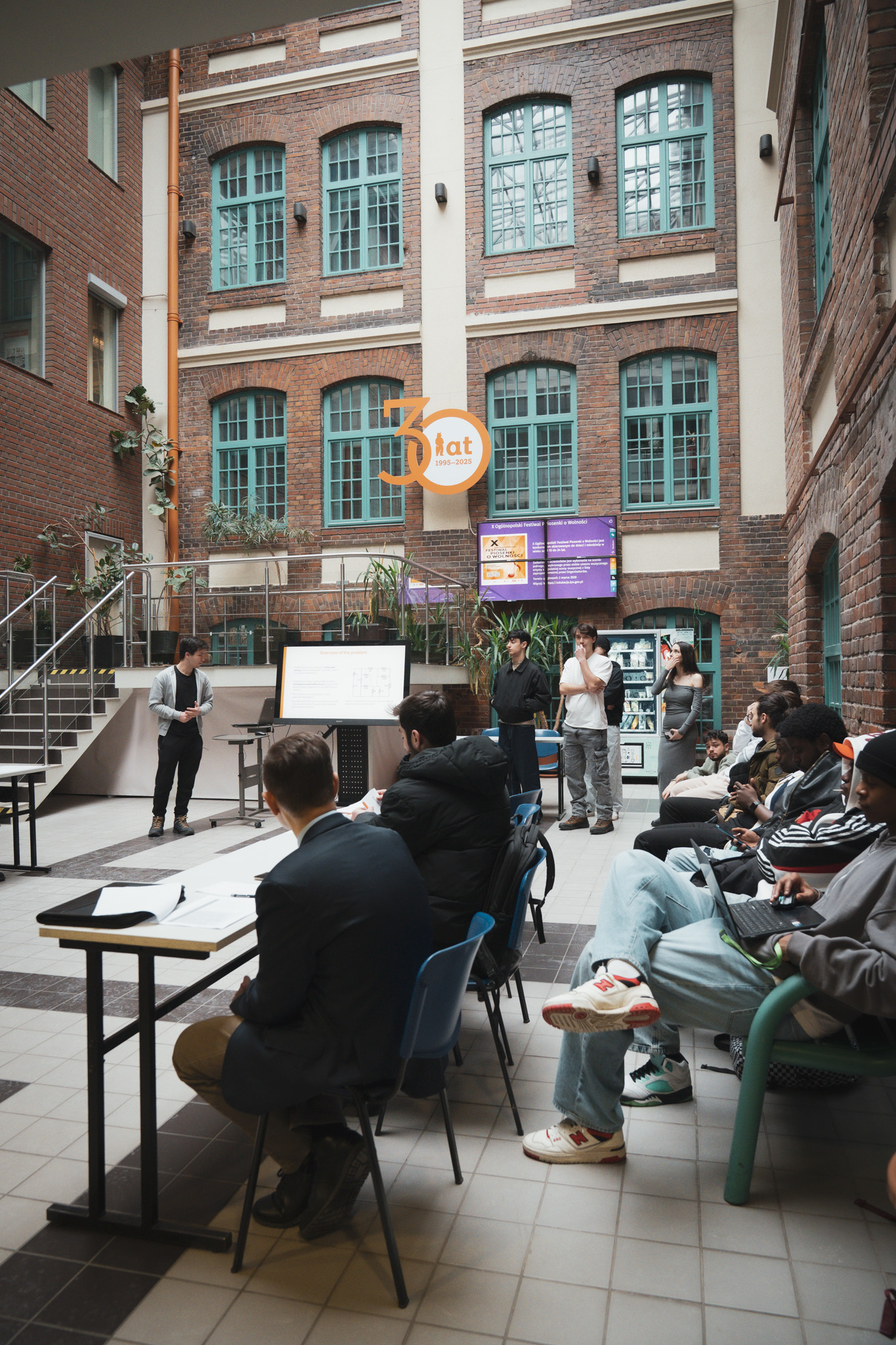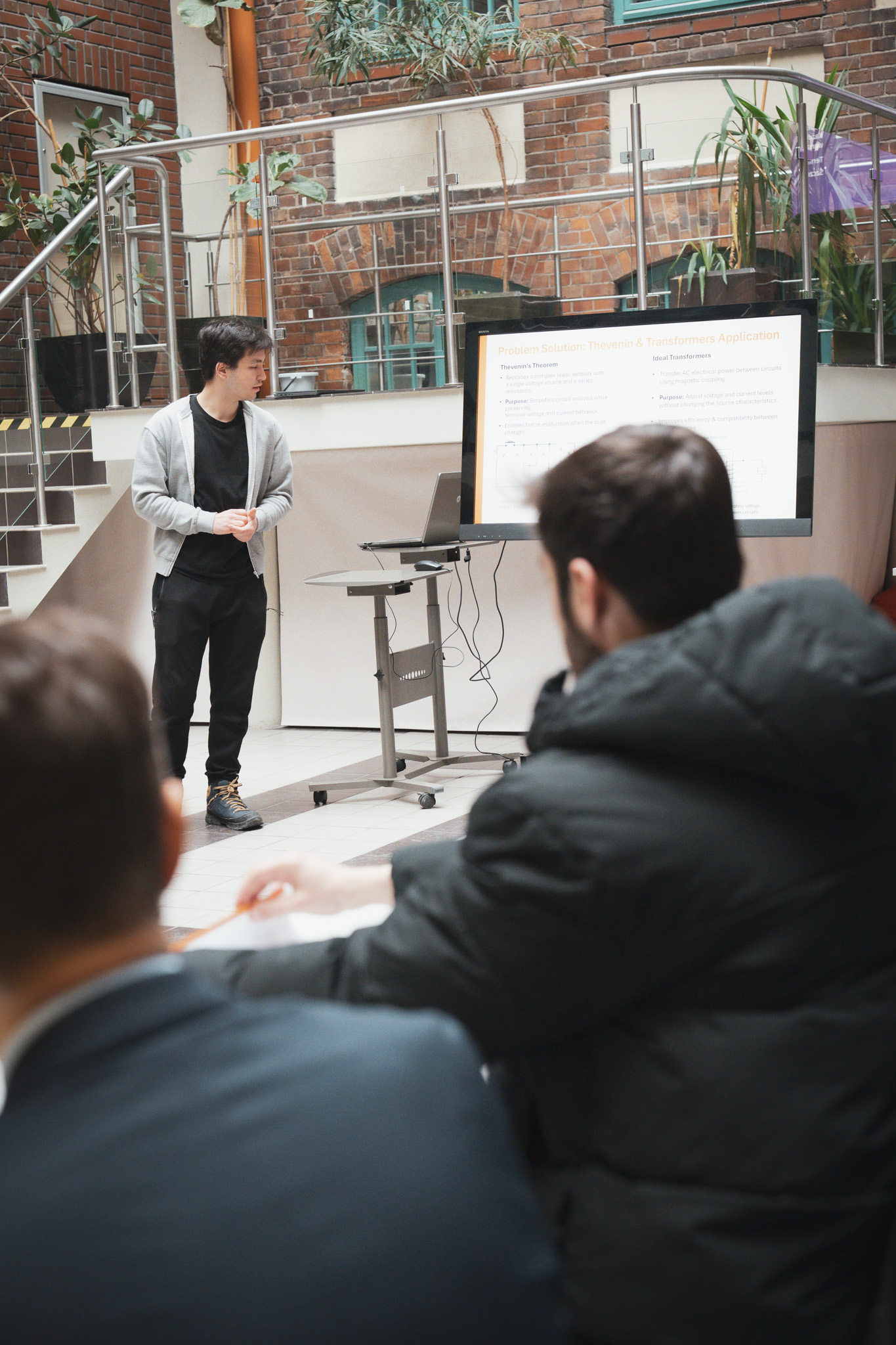

To był dzień pełen technologicznych emocji i merytorycznych dyskusji! Wydarzenie Student Digital Security Day, które odbyło się w atrium budynku ATA przy ul. Rejtana 16.
Oto krótkie podsumowanie tego, co działo się 28 stycznia!
🚀 Innowacje w centrum uwagi
Atrium wypełniło się studentami Computer Science, którzy z pasją prezentowali efekty swojej pracy. Każdy z pięciu paneli tematycznych był solidną dawką wiedzy, podzieloną na logiczne etapy: od punktu wyjścia, przez stan obecny, aż po kierunki rozwoju i wyzwania wdrożeniowe.
Podczas wydarzenia zgłębiliśmy tematykę:
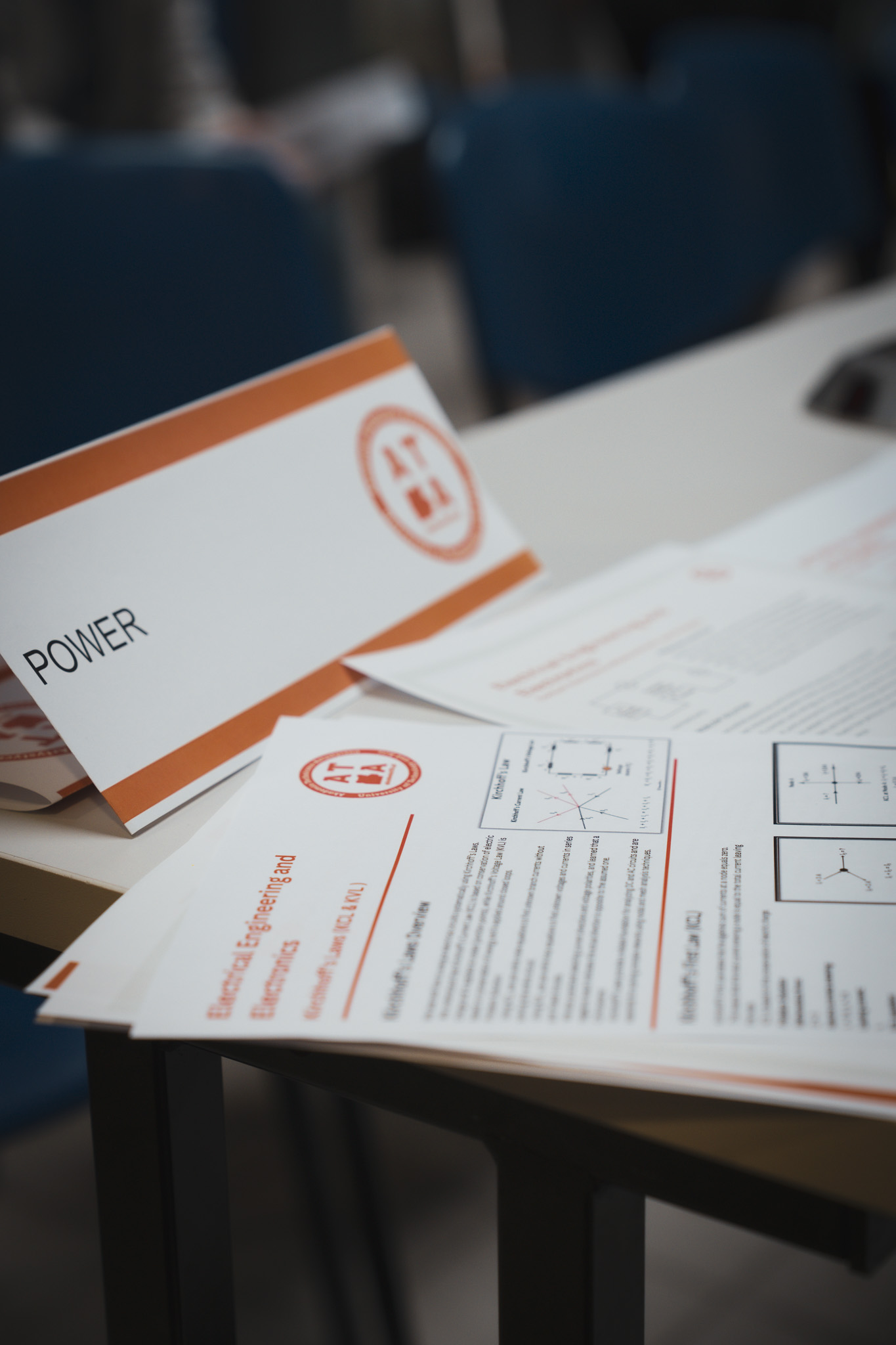
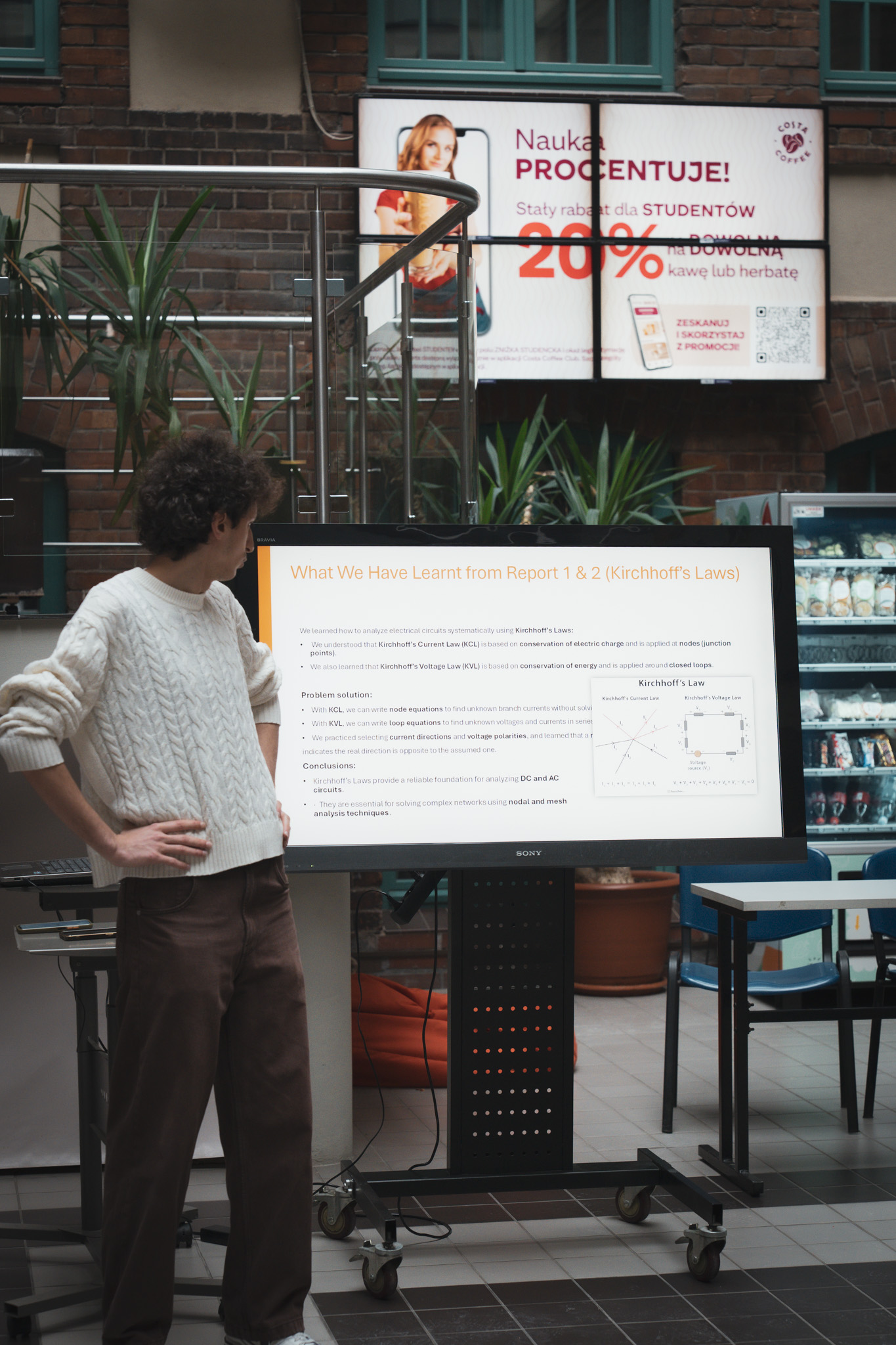
- POWER: Wykazano aktualność m.in. prawa Ohma, Kirchhoffa w zakresie metod i technik na rzecz zachowania ciągłości pracy infrastruktury IT, omawiana problematyka została dodatkowo wsparta ilustracją uzyskanych wyników przy zastosowaniu nowoczesnych narzędzi komputerowych.
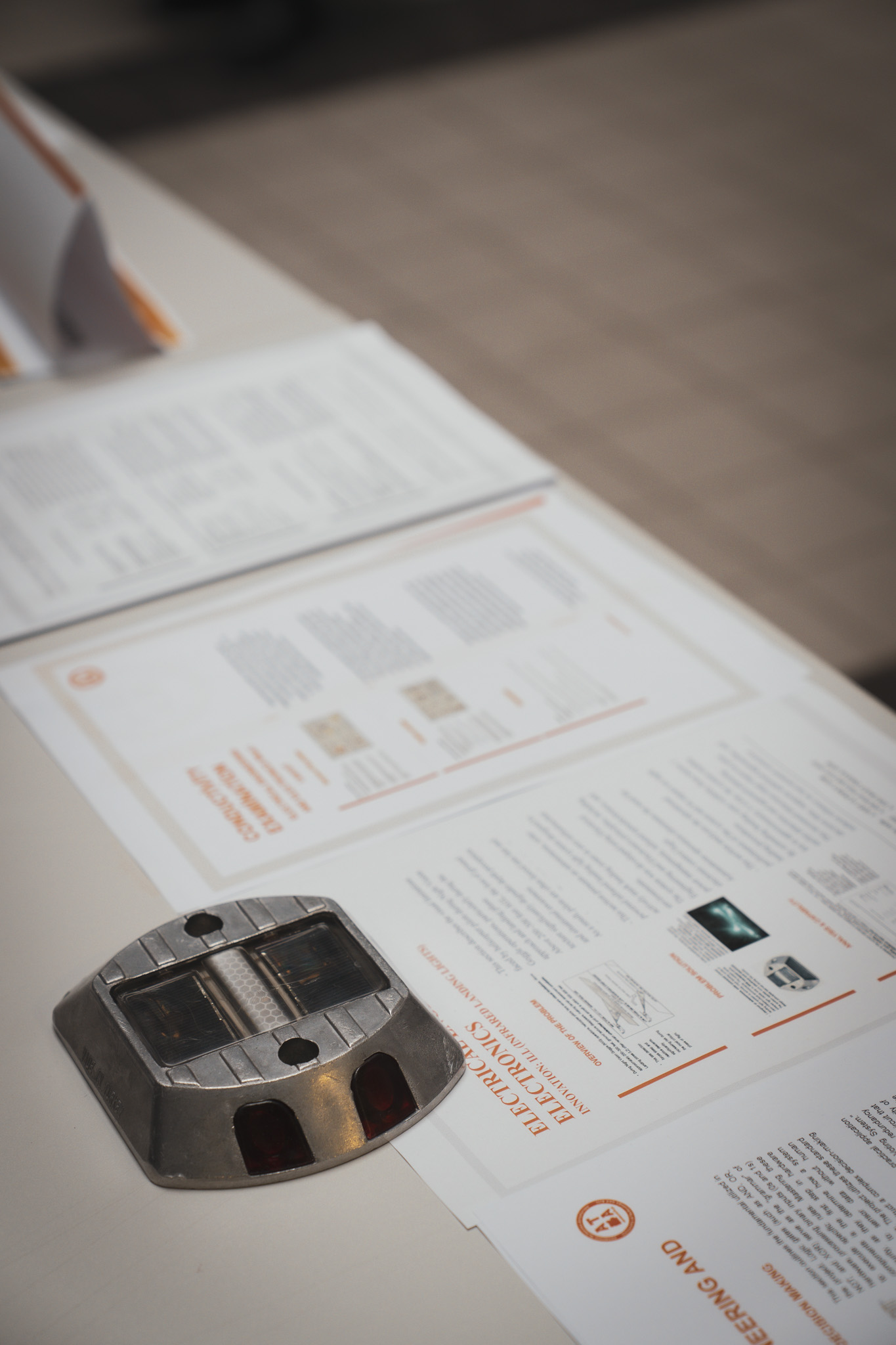
- System and Network Security: To praktyczne podejście do ochrony infrastruktury, gdzie w szczególności położono nacisk na integrację rozwiązań sprzętowych i programowych, w tym zapór sieciowych, systemów IDS/IPS, urządzeń klasy UPS oraz redundantnych komponentów sprzętowych, z oprogramowaniem służącym do monitorowania stanu systemów, zarządzania incydentami oraz analizy ryzyka.
- Artificial Intelligence: Omówiono rozwój sztucznej inteligencji za pośrednictwem ewolucji narzędzi wspierających proces tworzenia rozwiązań informatycznych — od arkuszy kalkulacyjnych wykorzystywanych do analiz i reguł decyzyjnych, poprzez zastosowania języka Python do implementacji zaawansowanych algorytmów uczenia maszynowego, aż po sieci konwolucyjne.
- Information Protection in Computer Networks: Zero Trust myślą przewodnią dyskusji, gdzie rozwiązania typu UpKey, zaawansowana architektura, szyfrowanie i segmentacja, backup oraz monitoring omawiane były w odniesieniu do praktycznych środków ograniczania skutki ataków.
- Internet of Things and Mobile Device Security: Podkreślono bezpieczeństwo urządzeń, które nosimy w kieszeniach i posiadamy w domach, omówiono m.in. wymagania bezpiecznej architektury, metod izolacji komponentów, istoty aktualizacji firmware, stosowania szyfrowania danych, w tym bezpiecznych elementów sprzętowych oraz zagadnień kontroli dostępu między aplikacjami i siecią.
🧠 Metodyka, która robi różnicę
Studenckie wystąpienia, prezentacje, interakcja ze wszystkim uczestnikami stanowiły interakcyjną formę przedstawienia opracowanych zagadnień. Dzięki zastosowaniu schematu Starting Point ➔ Current Point ➔ Future Point, słuchacze mogli zobaczyć pełen proces ewolucji zdobywania wiedzy w tym rozwoju kompetencji własnych. Dla studentów była to szansa na trening istotnych na rynku pracy kompetencji miękkich i zaprezentowanie innowacyjnego podejścia do nauki.
Dziękujemy wszystkim prelegentom za wysoki poziom merytoryczny!
______________
It was a day full of technological excitement and substantive discussions! The Student Digital Security Day event took place in the atrium of the ATA building at 16 Rejtana Street.
Here’s a brief summary of what happened on January 28!
🚀 Innovation in the spotlight
The atrium was filled with Computer Science students who passionately presented the results of their work. Each of the five thematic panels delivered a solid dose of knowledge, structured into logical stages: from the starting point, through the current state, to future directions and implementation challenges.
During the event, we explored the following topics:
- POWER: The ongoing relevance of, among others, Ohm’s and Kirchhoff’s laws was demonstrated in the context of methods and techniques aimed at ensuring the continuity of IT infrastructure operations. The discussed issues were additionally supported by illustrations of obtained results using modern computer tools.
- System and Network Security: A practical approach to infrastructure protection, with particular emphasis on integrating hardware and software solutions, including firewalls, IDS/IPS systems, UPS-class devices, and redundant hardware components, together with software used for system monitoring, incident management, and risk analysis.
- Artificial Intelligence: The development of artificial intelligence was discussed through the evolution of tools supporting the creation of IT solutions — from spreadsheets used for analysis and decision rules, through the use of Python for implementing advanced machine learning algorithms, to convolutional neural networks.
- Information Protection in Computer Networks: Zero Trust served as the guiding principle of the discussion. Solutions such as UpKey, advanced architectures, encryption and segmentation, backup, and monitoring were analyzed in the context of practical measures to mitigate the effects of attacks.
- Internet of Things and Mobile Device Security: The importance of securing devices we carry in our pockets and use in our homes was emphasized. Topics included secure architecture requirements, component isolation methods, the importance of firmware updates, data encryption (including secure hardware elements), and issues related to access control between applications and the network.
🧠 A methodology that makes a difference
Student talks, presentations, and interaction with all participants formed an engaging and interactive way of presenting the developed topics. Thanks to the use of the Starting Point ➔ Current Point ➔ Future Point framework, listeners could observe the full evolution of knowledge acquisition and competency development. For students, it was an opportunity to practice key soft skills valued in the job market and to present an innovative approach to learning.
We would like to thank all the speakers for their high substantive level!